... Leveraging omics for data-driven drug discovery ...
Image
Image
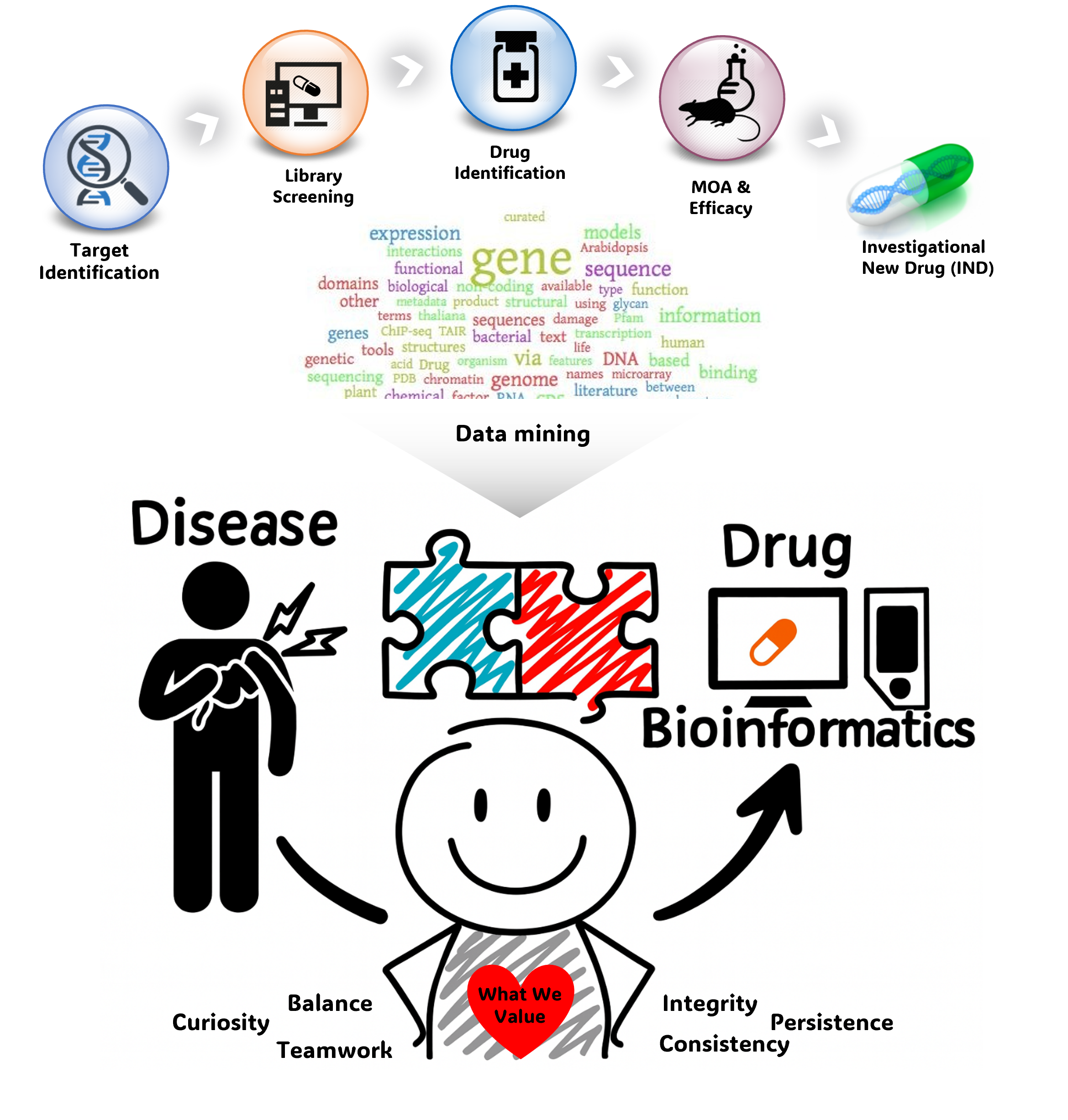
Team Mission

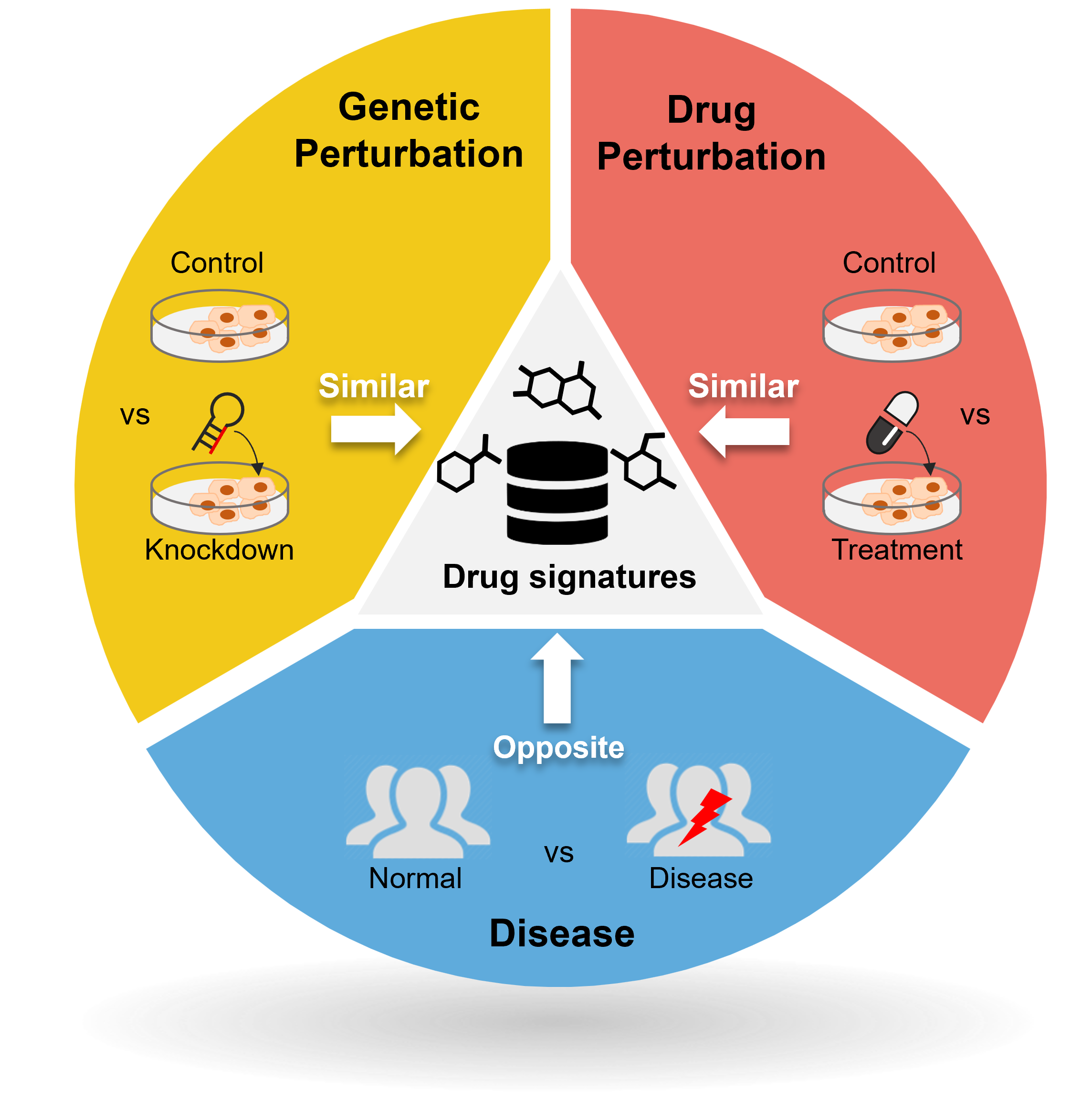
We create new value from data reuse. By harnessing large-scale public omics datasets generated under diverse disease models and experimental conditions, we redefine disease landscapes and uncover molecular targets for therapy. We also develop bioinformatics tools to interpret drug mechanisms from omics profiles perturbed by treatment.

What we value
  • Motivation :  driving force to solve complex scientific puzzles to completion
  • Integrity :  ability to work productively with diverse teams and disciplines
  • Balance :  sustaining research momentum through dynamic interactions
Image
Cancer cachexia

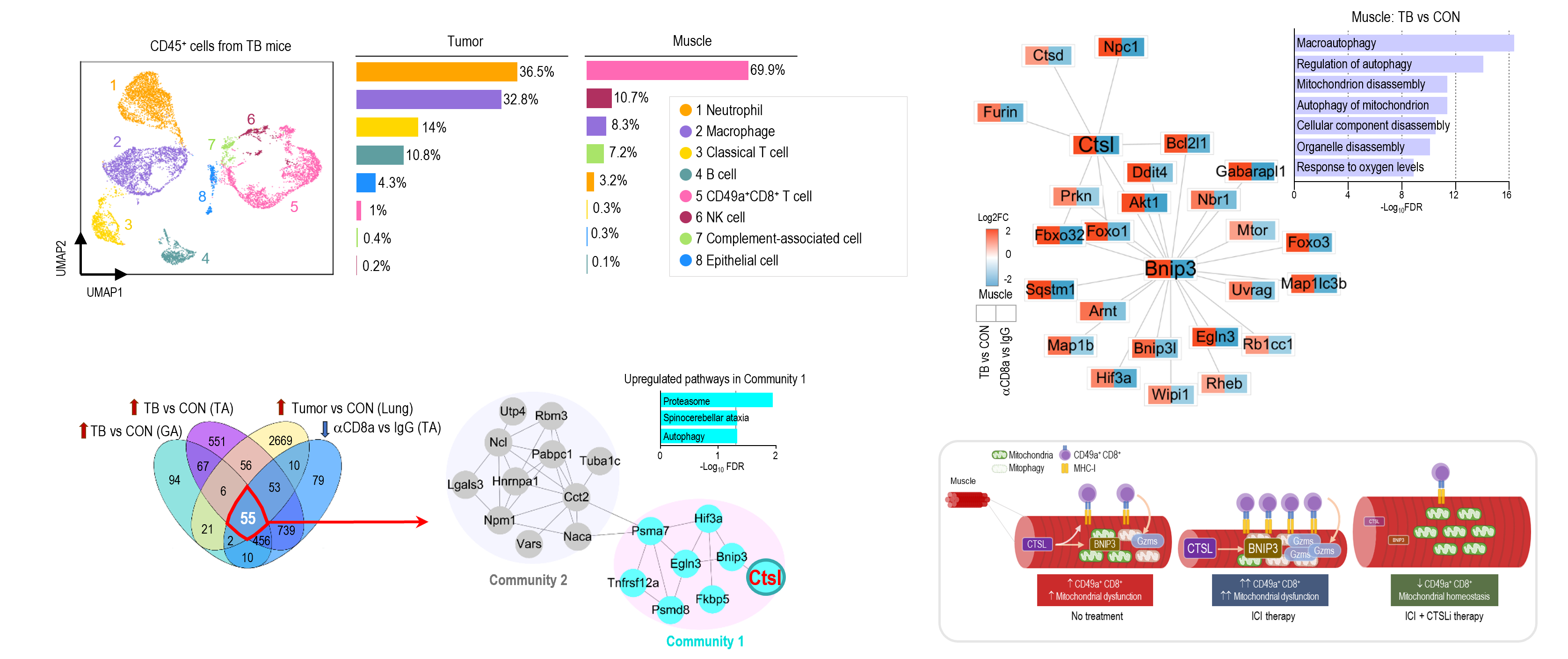
We develop bioinformatics platforms that integrate diverse public omics data to identify therapeutic targets and predict candidate drugs for cancer cachexia.

Related publications
  • Park SY, Son K, et al. Cathepsin L as a dual-target to mitigate muscle wasting while enhancing anti-tumor efficacy of anti-PD-L1. Nature Communications. 2025;16(1):10706.
  • Lee H, Kim A, et al. Comprehensive transcriptomic analysis identifies Lrg1 as a potential therapeutic target for preventing muscle atrophy in cancer cachexia, American Journal of Physiology-Cell Physiology. In press.
  • Kim A, Park SM, et al. Ginsenoside Rc, an Active Component of Panax ginseng, Alleviates Oxidative Stress-Induced Muscle Atrophy via Improvement of Mitochondrial Biogenesis, Antioxidants. 2023; 12(8):1576
Image
Cancer drug resistance and metastasis

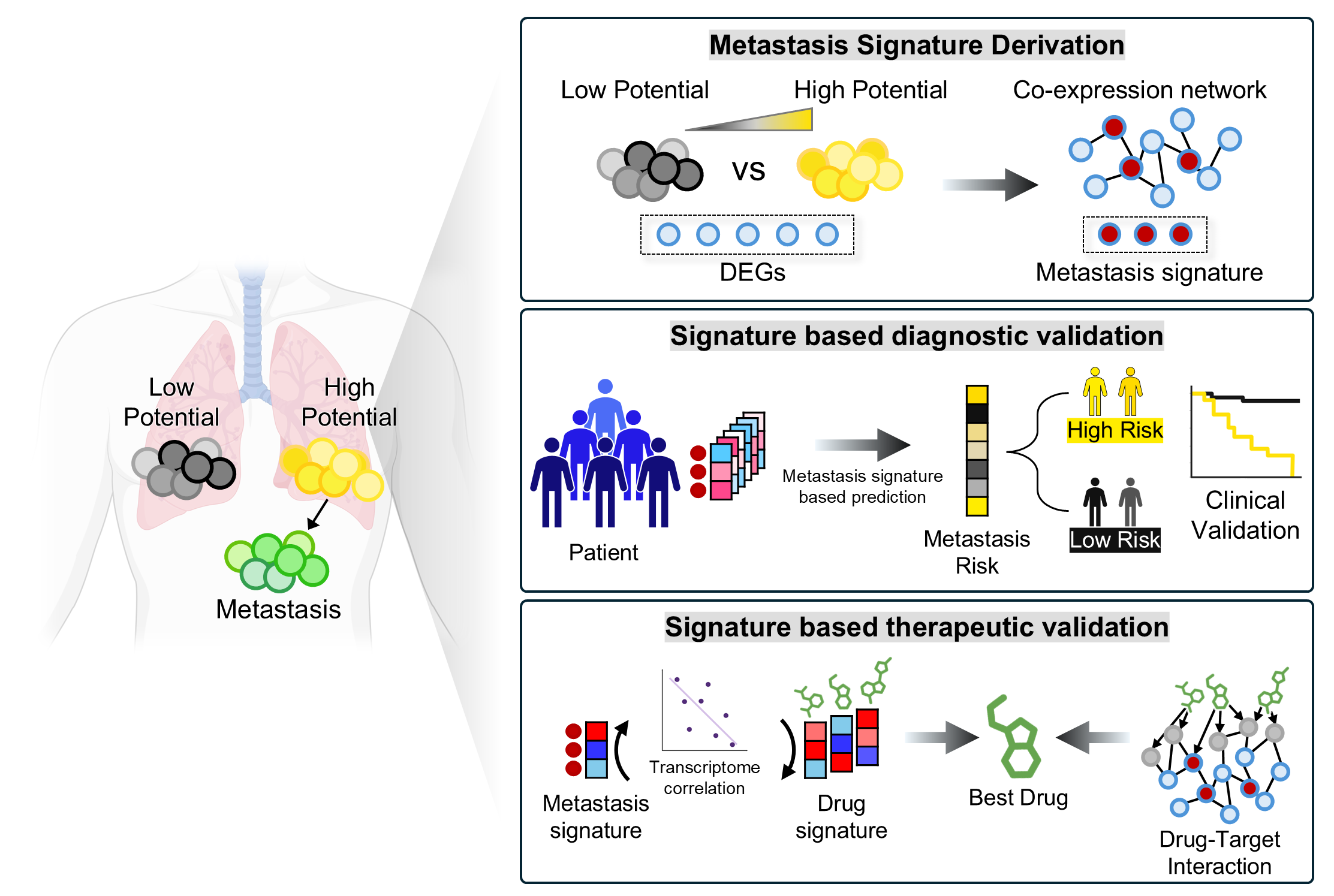
We integrate transcriptomic profiles of cancer cells to identify therapeutic targets and repositioning candidates that can overcome drug resistance and suppress metastasis.

Related publications
  • Hong SK, et al. Large-scale pharmacogenomics based drug discovery for ITGB3 dependent chemoresistance in mesenchymal lung cancer. Molecular Cancer. 2018; 17:175.
  • Kwon OS, et al. Connectivity Map-based drug repositioning of bortezomib to reverse the metastatic effect of GALNT14 in lung cancer. Oncogene. 2020; 39(23):4567-4580.
  • Kwon OS, et al. Systematic identification of a nuclear receptor-enriched predictive signature for erastin-induced ferroptosis. Redox Biology. 2020;37:101719.
  • Kim JW & Kim M, et al. FSP1 confers ferroptosis resistance in KEAP1 mutant non-small cell lung carcinoma in NRF2-dependent and -independent manner. Cell Death & Disease. 2023;14:567.
  • Kwon EJ, et al. Systematic Omics Analysis Identifies CCR6 as a Therapeutic Target to Overcome Cancer Resistance to EGFR Inhibitors. iScience. 2024; 27(4):109448.
  • Park SM, Haam K, et al. Integrative Transcriptomic Analysis Identifies Emetine as a Promising Candidate for Overcoming Acquired Resistance to ALK Inhibitors in Lung Cancer. Molecular Oncology. 2025; 19(4):1155-1169.
  • Kim M, et al. Metastasis Potential–Based Transcriptomic Profiling Identifies Predictive Signatures in Lung Cancer. In preparation
Image
Web-based bioinformatics tools

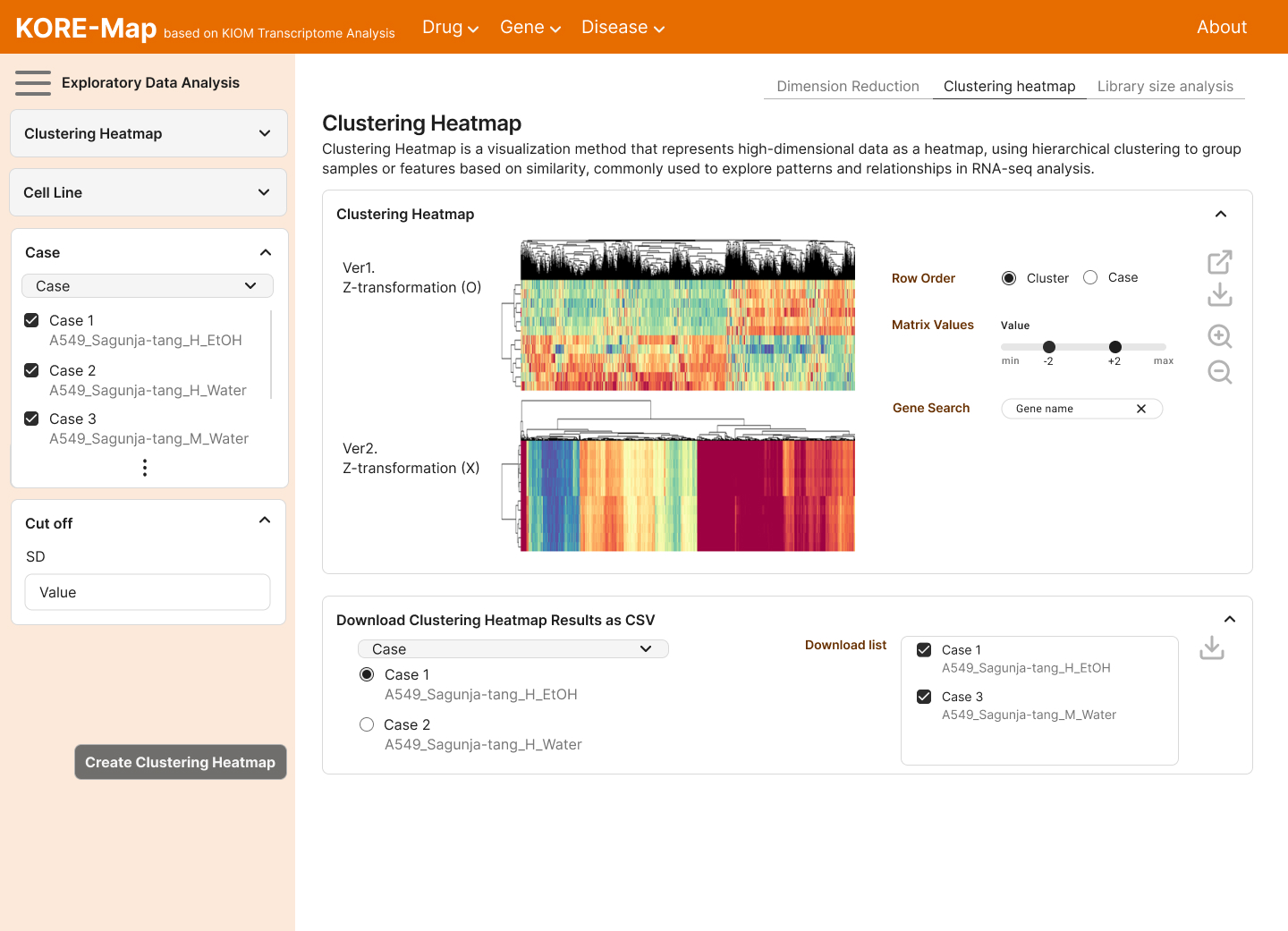
We develop web-based bioinformatics tools for comparative transcriptomic analysis of herbal medicine and conventional drug treatments. In collaboration with the Korea Institute of Oriental Medicine (KIOM), we generate transcriptomic datasets of medicinal herbs and design analytical approaches to predict novel indications and mechanisms of action.

Related publications
  • Baek SJ, et al. Identification of a novel anticancer mechanism of Paeoniae Radix extracts based on systematic transcriptome analysis. Biomedicine & Pharmacotherapy. 2022;148:112748
  • Park SM, et al. Systematic transcriptome analysis reveals molecular mechanisms and indications of Bupleuri Radix. Frontiers in Pharmacology. 2022;13:1010520.
  • Lee M, et al. Systems pharmacology approaches in herbal medicine research: a brief review. BMB Reports. 2022;55(9):417-428
  • Park M, et al. KORE-Map 1.0: Korean medicine Omics Resource Extension Map on transcriptome data of tonifying herbal medicine. Scientific Data. 2024;11(1):974
  • Shin H, et al. Transcriptome profiling of aged-mice ovaries administered with individual ingredients of Samul-tang. Scientific Data. 2025;12(1)
  • Kwon Y, et al. Benchmarking of dimensionality reduction methods to capture drug response in transcriptome data. Scientific Reports. 2025; 15:32173.
  • Shin H, et al. Butylphthalide identified via Samul-tang-induced transcriptomic signatures improves oocyte quality in aged mice. npj Aging. 2025;11:14
Image
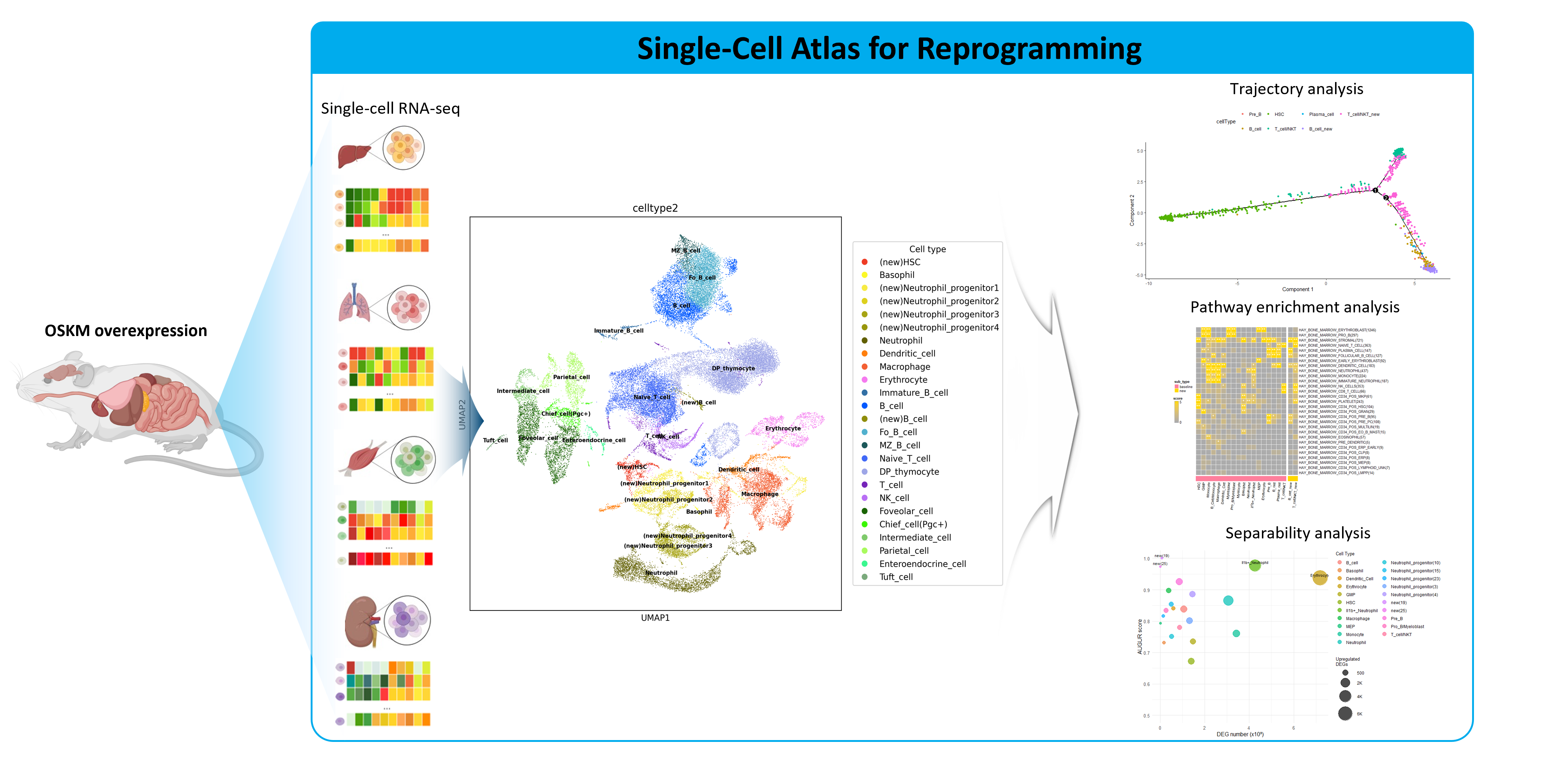
Reprogramming-inducing factors

We construct organ-specific single-cell transcriptome atlases derived from reprogramming-induced animal models and design computational algorithms to identify transcription factors and compounds that can induce cellular reprogramming.